
2025 Travel & Road Trip Apps (with EV Support)

2025 travel and road trip tips

Trip Planning & Booking

  • Skyscanner – Flights, hotels, and car rentals with AI-powered recommendations and fare alerts.

  • Hopper – Predicts best times to book with price-freezing features for flexibility.

 Itinerary & Route Planning

  • TripIt – Organizes your flights, hotel bookings, and activities into one neat timeline.

  • Wanderlog – Create daily road trip itineraries, map your route, split expenses, and collaborate with friends.

  • WanderPlan AI – Personalized travel plans using your preferences and time frame.

Navigation & Maps

  • Google Maps – Real-time traffic, offline maps, EV charging filter, and AI trip layers.

  • Waze – Community-based driving app with police alerts, hazard warnings, and route suggestions.

  • Roadtrippers – Discover scenic stops, attractions, and quirky detours across the US and Canada.

  • OsmAnd – Full offline navigation with voice directions and custom route layers.

EV Charging Apps (for Electric Car Travelers)

  • PlugShare – Find charging stations worldwide with real-user reviews and availability.

  • ChargeMap – Especially popular in Europe. Filter by connector type, payment, and real-time availability.

  • A Better Routeplanner (ABRP) – Tailors long-distance EV routes based on car model, battery level, and weather.

  • Electrify America / Ionity – Country-specific fast-charging networks (US / EU) with station status and pricing.

  • Tesla App – Essential if you’re driving a Tesla, offering route planning and Supercharger integration.

 Budget & Currency Tools

  • Wise – Real-time currency conversion with fee-free international transfers.

  • Revolut – Multi-currency wallet with spending insights, travel insurance, and airport lounge access.

Fuel & Charging Prices

  • GasBuddy – Find the cheapest gas stations (US & Canada) and save with rewards.

  • ChargePoint – Includes both real-time charger availability and pricing at major stations (US-heavy).

  • Tollsmart – Calculate toll costs in advance, whether gas or electric vehicle.

Language & Communication

  • Google Translate – Instantly translate menus, signs, and conversations with camera and voice tools.

  • Duolingo – Learn key local phrases before and during your trip with gamified lessons.

  • Pocket – Save travel blogs, tips, or offline content to read later.

Connectivity & Safety

  • WiFi Map – Locate free WiFi hotspots with user ratings and password sharing.

  • Prey Anti-Theft – Protect your devices with location tracking and remote control in case of theft.

  • VPN by Nord or Surfshark – Secure your browsing on public WiFi networks.

Nature & Outdoor Add-ons

  • AllTrails – Hiking, walking, and cycling trail maps with difficulty ratings and reviews.

  • Komoot – Great for cycling tours, e-bike trails, and off-the-grid hikes.

  • iOverlander – For campers and van lifers, shows camp spots, dump stations, and water refill
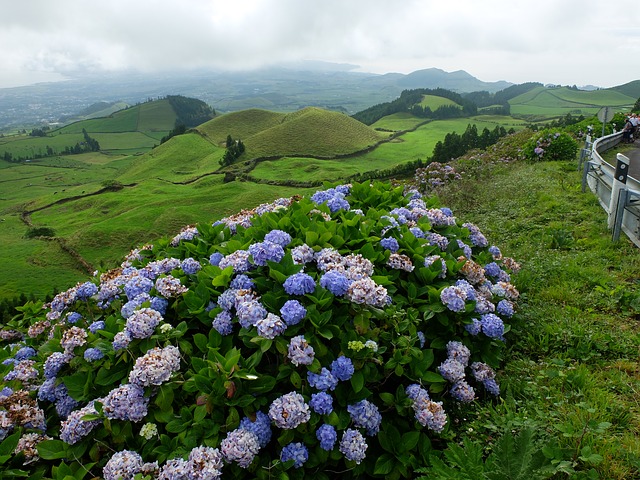
The Azores: Every Shade of Nature

Our trip to the Azores remains unforgettable. Just when I was feeling over Europe, a friend’s insistence landed us on what’s often called “Europe’s Hawaii.” And despite that high praise, the Azores never let me down. Each island is uniquely magical, offering something different. Words can’t capture the beauty, but I’ll try to share a few of the experiences you must consider. We didn’t manage to summit Pico Volcano—though I wish we had—but we certainly luxuriated in hot springs and more. The best part? No matter your interests, the Azores have something just for you.


Want to Swim with Whales? Book a Whale-Watching Tour!

The Azores host not just whale sharks—the world’s largest fish—but also a third of all whale species globally. Whale-watching tours are wildly popular. You’ll likely spot whales around Pico and São Jorge, where they pass through narrow sea channels. For whale sharks, head to Santa Maria—the top choice. Imagine a gigantic whale gracefully gliding beside your boat. If you’re brave enough, you’ll never forget it.

Insider tip: April to October offers the best visibility and highest chances of sightings.


Prefer Diving? Explore Rich Marine Life and Sunken Ships

Thanks to its mild climate, the Azorean water stays between 16–20°C, perfect for diving. From June to October, visibility can reach 30 meters—ideal conditions.

One highlight: a famous wreck from World War II—the Dori, which took part in Normandy landings and sank near Ponta Delgada port in 1964. At just 20 meters deep, it’s surprisingly accessible, and a must for serious divers like me—though I’m gutted I didn’t get a chance yet.


Craving Adventure? Climb a Volcano or Hike a Crater

Pico Island is the archipelago’s second-largest and home to Portugal’s tallest peak—Mount Pico, standing at 2,351 meters. We joined an overnight guided hike. No specialized gear—just bottles of water and determination. We trekked for three hours but didn’t quite reach the summit before turning back. Still, people from all around the world come and conquer it. Whether you climb or just admire from afar—it’s breathtaking.


Need Healing? Relax in Hot Springs and Waterfalls

On São Miguel Island, the village of Furnas captivates with its volcanic springs and natural beauty. We soaked in steaming crater pools, applied therapeutic mud, and savored hearty stew cooked in underground geothermic heat—then emerged feeling brand new. Explore nearby Japanese cedar forests, bubbling rivers, and a stunning lake—Lagoa do Fogo—that’s a feast for the eyes.


Dream of Surfing? Ride Some Giant Waves

If surfing has ever intrigued you, the Azores offer epic conditions. All nine islands offer surf breaks, but Santa Maria and São Miguel are renowned for their “point breaks,” while São Jorge offers “reef breaks”—some of the longest waves in the region. We didn’t surf, but loved watching the pros ride them.


The Adventure Doesn’t Stop Here

The islands offer even more: kayaking, rafting, horseback riding, canyoning, paragliding, trekking, scuba diving, and more. Not a thrill-seeker? Don’t worry. The Azores delight even the most casual visitors with their charm, food, views, and culture!


Final Thoughts

The Azores feel like a different world—each island a unique answer to any kind of wanderlust. Whether you’re seeking nature, adrenaline, culture, or tranquility—you’ll find your reason to fall in love with this archipelago.


Useful Local Apps for Exploring the Azores

Why Ljubljana Should Be Your Next Budget-Friendly European Trip

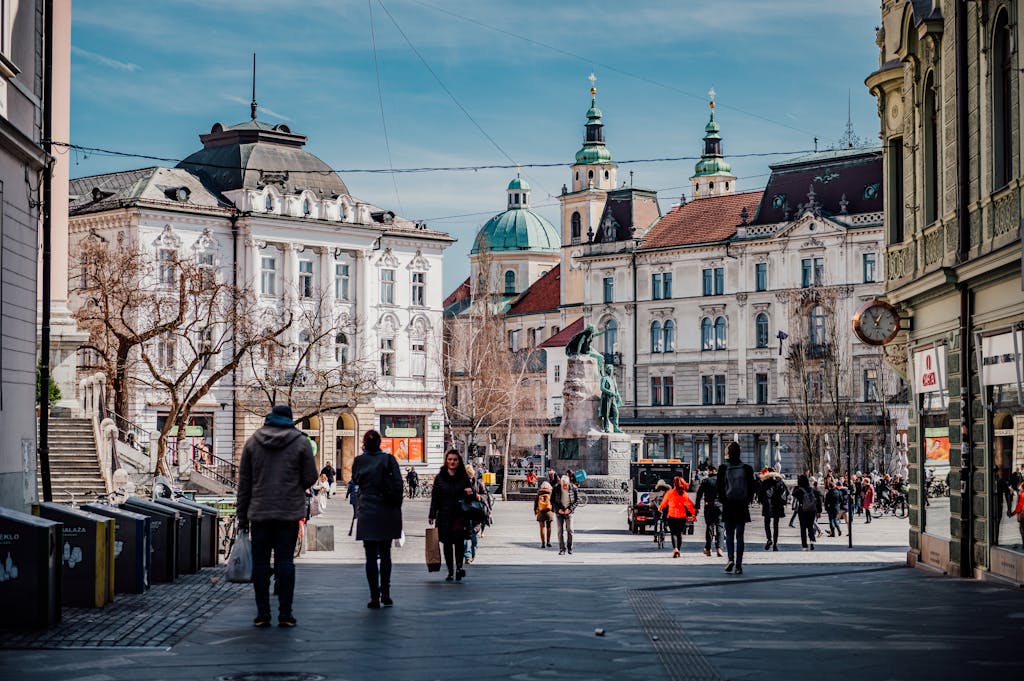
Explore the vibrant city center of Ljubljana, Slovenia with its historic architecture and lively atmosphere.

We wanted a destination where we could travel easily, make use of our Schengen visa, and not spend too much money. After some research, the answer was loud and clear: Slovenia!

So… What Is There to Do in Slovenia?

We started our trip in the capital city, Ljubljana. The first thing we noticed was the fresh air — seriously, it’s hard to miss. We’ve never seen a city this green before. In fact, Ljubljana was named the Green Capital of Europe in 2016.

The population is only around 300,000, so it feels small and cozy. You might even see the same people more than once just walking around town. The city is also full of Erasmus students, which gives it a fun and lively vibe.

At night, the area around the canal stays busy. But the real nightlife seems to center around a place called Metelkova — more on that later.


Top Things to See in Ljubljana

Prešeren Square

The city’s main square — a great place to start your walk.

Triple Bridge

Three bridges connected in one, with unique architecture.

Dragon Bridge

Four statues of dragons, the city’s symbol, make this bridge look seriously cool.

Congress Square (Kongresni trg)

Another major square with open space and beautiful buildings.

Tivoli Park

A huge, green park — perfect for laying on the grass and relaxing.

Ljubljana Castle

A historic castle that hosts events in its courtyard. Take the funicular to get there easily.

Museum of Modern Art

For lovers of modern artistic expressions.

Museum of Contemporary Art

Yes, it’s different — and ideal for contemporary art fans.

National Gallery of Slovenia

A must-see for those who want to understand Slovenian art and history.

Cooperative Bank Building

One of the most Instagrammable spots in the city.


The Unmissable Metelkova

We can’t sum up Metelkova in just one sentence. This place has a long, fascinating history. During the Austro-Hungarian Empire, it was used as a military prison. Later, under Yugoslav control, it became a military zone filled with barracks.

In 1991, after Slovenia gained independence, the army left the area. The city council wanted to tear down the barracks and build a shopping center. But a group of local youth resisted. Artists also moved into the abandoned buildings and tried to stop the demolition.

To pressure them, the city cut off water and electricity. Still, the resistance continued. In 1993, the protesters won. The area became a haven for art, freedom, and alternative culture.

Even today, it’s unclear whether Metelkova is 100% legal. None of the venues appear to be officially licensed or taxed — at least, that’s what we gathered from the mixed answers we received.

Regardless of legality, this place is bursting with freedom and creativity. You’ll find colorful street art, murals, and a wildly diverse crowd. During the day, it’s like an open-air gallery, perfect for photos and Instagram. At night, it turns into a buzzing nightlife zone.

Metelkova is a place where no one judges anyone. It’s a space where all kinds of people can mix together, chat, and have fun — no pressure, no problems. It truly feels like a parallel universe. 

If you want a unique place to stay, check out Hostel Celica, which used to be a prison. You can now sleep in its bunk beds — an unforgettable experience.


How Long to Stay in Ljubljana?

As you can see, there’s a lot to do in Ljubljana. But we’re not big fans of museums, so we mostly walked around the city. That means we covered a lot in a short time.

  • If you want to visit museums too, 3 days is ideal.

  • If you’re like us and prefer exploring outdoors, 1 full day is enough.

After exploring the city, we rented a car and did day trips to nearby spots during the day. At night, if we still had energy, we always found ourselves back in Metelkova.

Driving in Mexico: Essential Tips Before You Hit the Road

Driving in Mexico might sound intimidating, but it’s actually easier than you think—at least in the Yucatán Peninsula. For us, renting a car is always worth it: we love the freedom to stop at hidden spots, skip tourist crowds, and follow our own curiosity.

Here are the most important things you should know before driving in Mexico, based on our own road trip experience.


Watch Out for Speed Bumps (Topes)

Mexico’s roads are full of speed bumps—some are so high they can easily damage your car if you don’t slow down. Keep an eye out for yellow “tope” signs on the roadside, and always reduce speed before crossing.


Why Do Cars Keep the Left Signal On?

In Mexico, if the car in front of you has its left blinker on, it usually means “safe to overtake.” But some slow drivers just leave it on all the time. Always double-check the road yourself before passing. If you’re driving slowly, you can also leave your left blinker on to let others know.


Toll Roads vs Free Roads

Some roads are free (“libre”) and others are toll roads (“cuota”). For example:

  • Cancun → Merida direct = toll road

  • Cancun → Tulum → Coba → Merida = free but longer route

Tip: Stick to toll roads if you want smoother, faster travel. Some travelers report scams on free roads (locals asking for “fees”), but legally, you only pay on official cuota roads.


Be Alert at Gas Stations

Gas stations are everywhere in Yucatán, but scams can happen. The most common trick: not resetting the pump to zero. Always check before filling, and don’t be shy to point at the pump.


Roads Can Be Rough (Bring a Spare)

Not all Mexican roads are smooth highways—expect dirt roads, potholes, and bumps. Flat tires are common, so:

  • Make sure your rental car has a spare tire & tools

  • Know the basics of changing a tire

We had to replace a tire ourselves and found a mechanic in just 10 minutes. Locals are used to it—it’s all part of the journey.


Avoid Driving at Night

Outside main highways, roads have no street lights. At night it’s pitch black, making it harder to see potholes, animals, or unexpected topes. In Yucatán, jungle roads run right next to the highway—don’t be surprised if a wild animal suddenly appears.


Be Ready for Emergencies

Car rental agencies will usually give you a 24/7 emergency number—but don’t rely on it fully. Sometimes the phone won’t connect, or you’ll be out of signal range. Be prepared:

  • Carry extra water

  • Know basic Spanish phrases

  • Avoid driving at night if you’re unsure

Locals are incredibly helpful though—even with sign language or a few words of Spanish, you’ll usually get the help you need.


Wanderlab Insight: Driving in Mexico isn’t scary if you’re prepared. Expect the unexpected, stay flexible, and embrace the adventure—because the best parts of a Mexican road trip are the surprises you can’t plan for.