

Germany is one of the easiest countries in Europe to explore, thanks to its world-class transport network and the freedom of the open road. Whether you’re zipping between cities on the high-speed train or taking a scenic drive through castle country, getting around is part of the adventure.
Driving in Germany
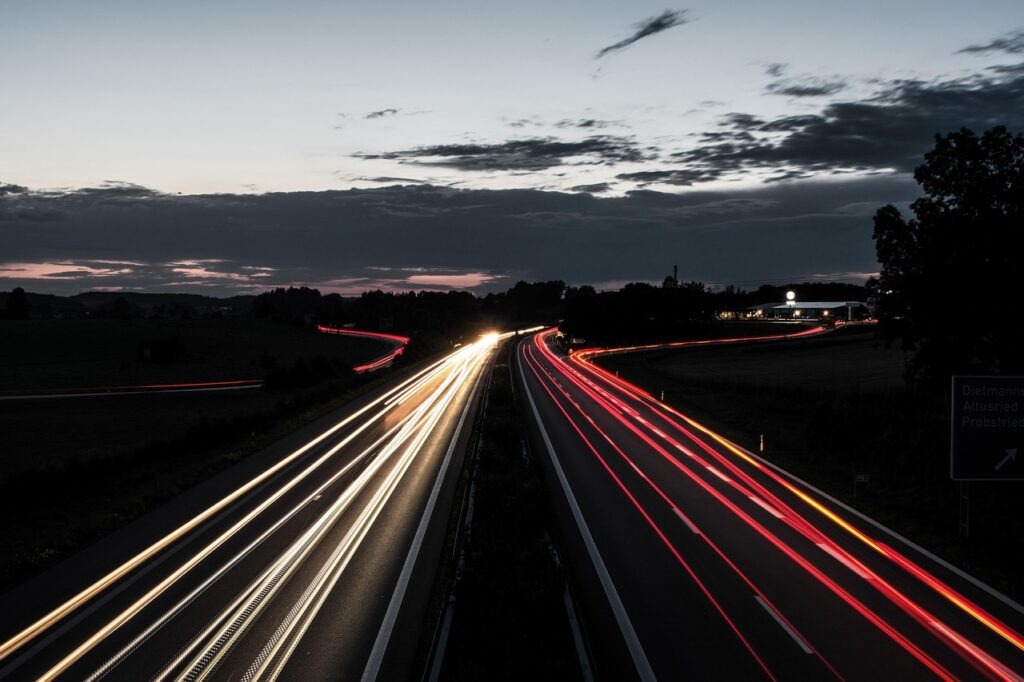
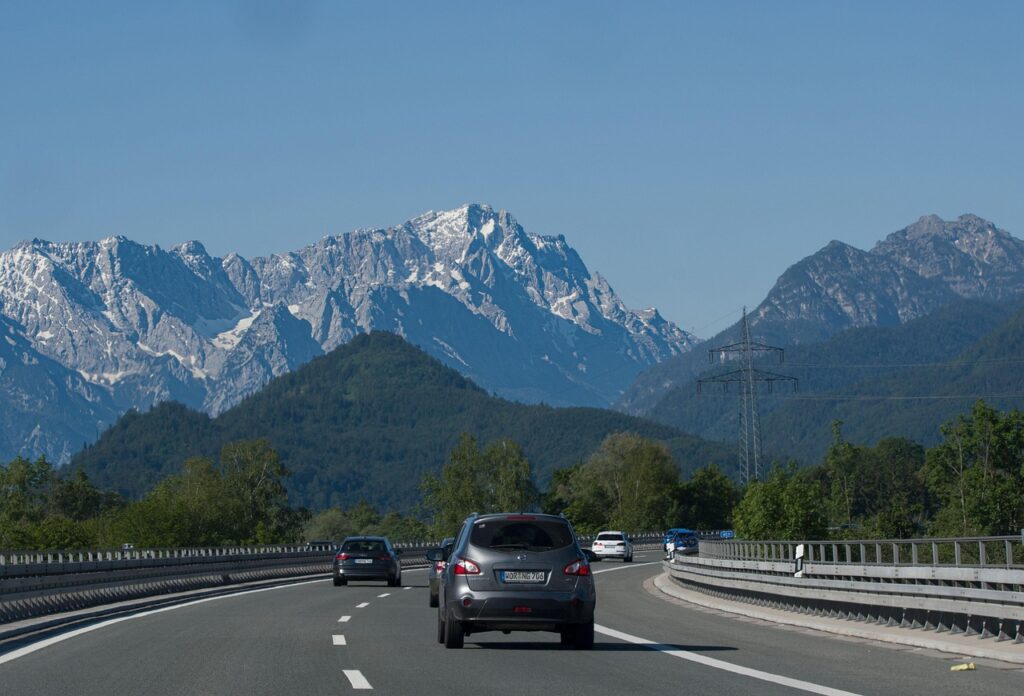
Driving in Germany is a unique experience, especially with the country’s legendary Autobahn.
-
Autobahn: Certain stretches have no official speed limit, but most drivers stick to 120–140 km/h. Always keep to the right lane except when overtaking, and be aware of sudden speed-restricted zones.
-
Licenses: EU/EEA licenses are valid in Germany. Travelers from outside the EU should bring an International Driving Permit along with their home license.
-
Car rentals: Available at all major airports and cities. Automatic cars are less common than manuals, so book in advance if you need one.
-
Parking: Cities can be tricky — look for “Parkhaus” (parking garages) or “P+R” lots on the outskirts with easy train connections.
-
Scenic drives: Don’t miss the Romantic Road, the Rhine Valley wine route, and the Alpine Road near Bavaria.
Travel tip: German police strictly enforce drink-driving and seatbelt laws. The tolerated blood alcohol level is 0.05% (lower than in some countries). If you’re planning a road trip across borders (e.g. driving into Austria or Switzerland from Germany), you’ll need to buy a vignette before entering their highways. You can get them at border gas stations, online, or sometimes digitally.
Trains & Public Transport
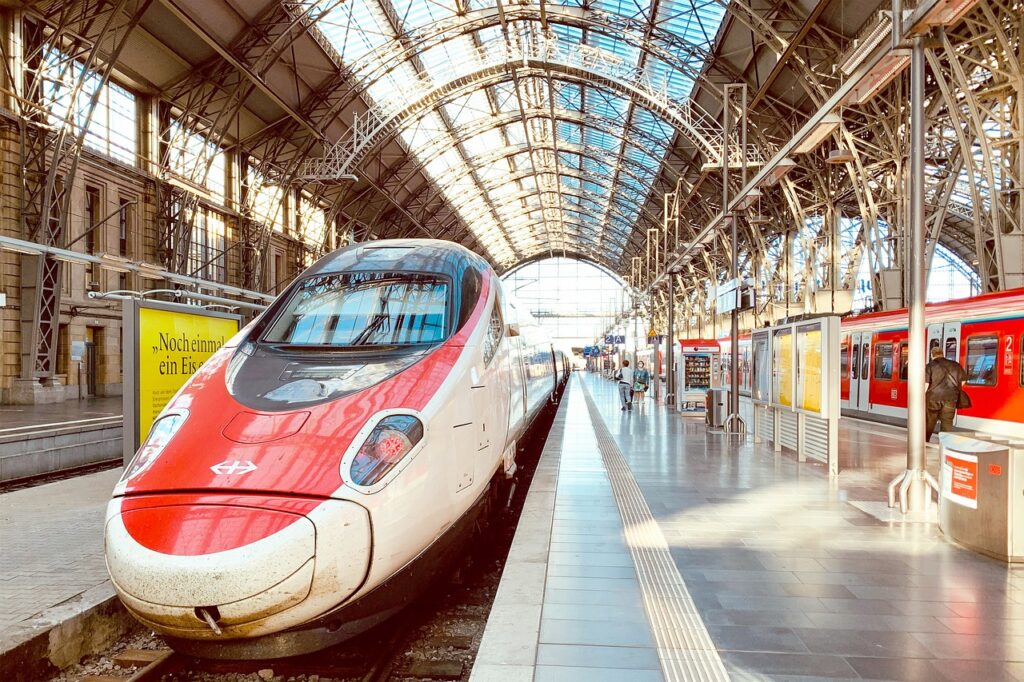
Germany’s train system is one of Europe’s best.
-
High-speed trains (ICE): Connect Berlin, Munich, Frankfurt, Hamburg, and Cologne in just a few hours. Comfortable, fast, and efficient.
-
Regional trains (RE, RB, S-Bahn): Reach smaller towns and rural areas.
-
U-Bahn & trams: Big cities like Berlin, Munich, and Frankfurt have excellent metro and tram systems.
-
Tickets: Buy in advance for discounts. Apps like DB Navigator make it easy to plan and book.
Travel tip: For flexibility, consider the German Rail Pass (great for multi-city trips), or the Deutschlandticket (49 EUR/month for unlimited regional/local trains, buses, and trams).
Buses
-
Long-distance buses: FlixBus and BlaBlaBus connect major German and European cities at budget prices.
-
City buses: Reliable, safe, and usually integrated with metro/tram tickets.
Domestic Flights
Germany has a dense rail network, so flights aren’t usually necessary. But for very long routes (e.g. Berlin–Munich or to other European hubs), Lufthansa, Eurowings, and Ryanair operate frequent flights.
Cycling
-
Cities like Berlin, Munich, and Hamburg are very bike-friendly, with dedicated lanes.
-
Bike rentals and sharing apps (Nextbike, Lime) are widely available.
-
In the countryside, cycling routes along the Rhine, Moselle, and Danube Rivers are spectacular.
Top 3 Scenic Road Trips in Germany
The Romantic Road
From Würzburg to Füssen, this 350 km route winds through medieval towns, vineyards, and rolling countryside. Highlights include Rothenburg ob der Tauber’s half-timbered streets and the fairytale towers of Neuschwanstein Castle.
The Black Forest Route
This drive through southwest Germany takes you past dense forests, cuckoo-clock villages, and spa towns like Baden-Baden. Perfect for hiking stops, lake swims, and tasting authentic Black Forest cake.
The German Alpine Road
Stretching from Lindau on Lake Constance to Berchtesgaden, this route hugs the Bavarian Alps. Expect panoramic mountain views, crystal-clear lakes, baroque churches, and cozy Alpine chalets.